Steel Market Analysis: Ferrosilicon Price Trend & Outlook
Ferrosilicon Price Trend has remained firm in recent weeks, mainly driven by rising semi-coke and electricity costs. Futures prices have also been supported by market sentiment, while fundamentals remain relatively loose due to increasing production and limited downstream demand from steel mills.
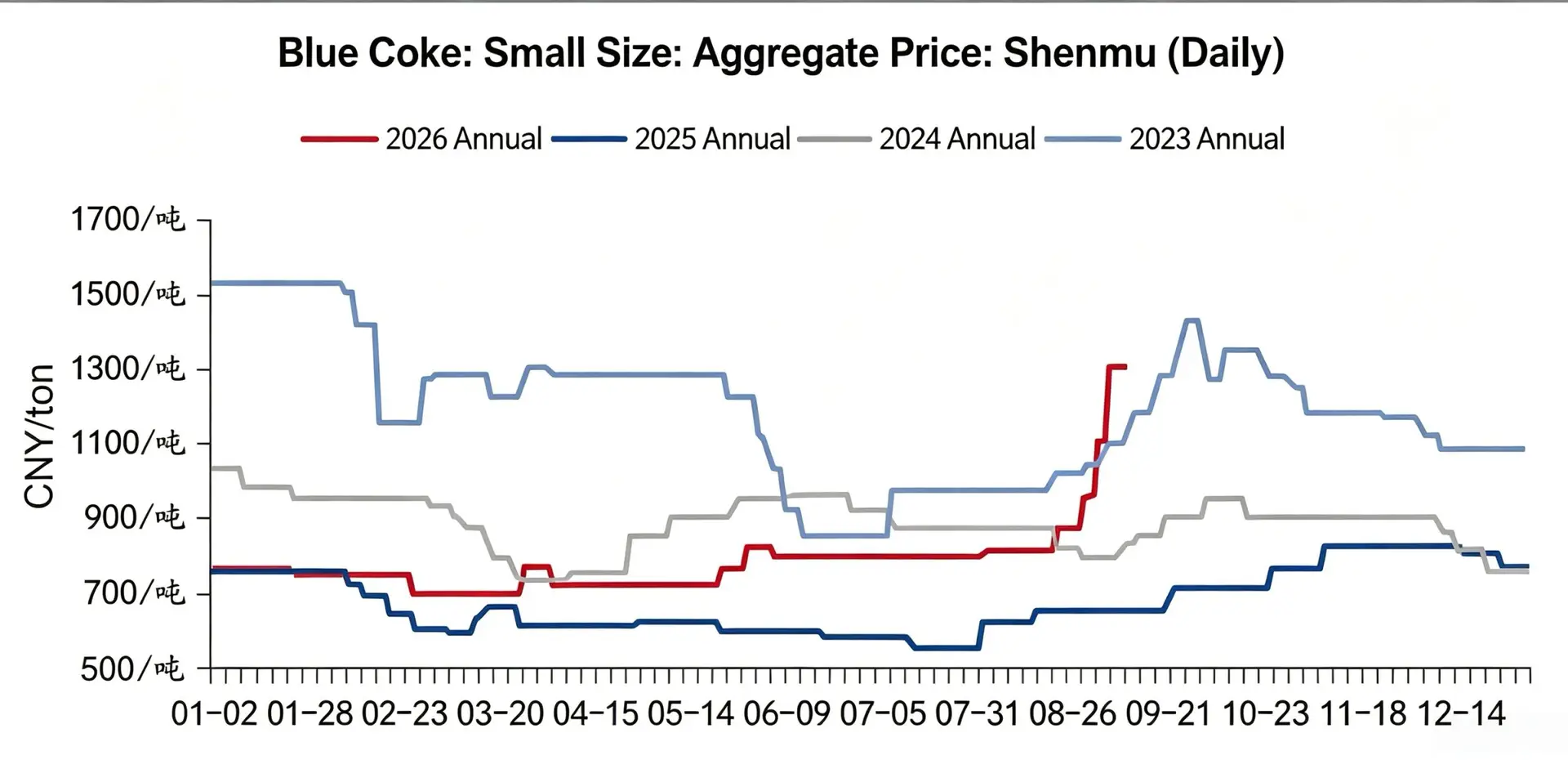
Since July 31, semi-coke prices have increased by approximately 500 yuan/ton to 1,280 yuan/ton, pushing ferrosilicon production costs higher by around 550–600 yuan/ton. Meanwhile, production has gradually recovered in several regions, increasing supply pressure.
Ferrosilicon Price Trend and Semi-Coke Costs
Semi-coke is an important cost component in ferrosilicon production. The recent increase in lump coal prices has pushed semi-coke prices higher and created a direct cost transmission to ferrosilicon producers.
From mid-August to early September, the average transaction price of lump coal from Hongliulin increased from 785 yuan/ton to 1,184 yuan/ton, representing a 51% increase. On September 3, the latest bidding price increased by 288 yuan/ton in a single day, exceeding market expectations.
As raw material costs increased, major calcium carbide enterprises in Inner Mongolia raised their semi-coke purchase prices several times. National semi-coke inventories also declined from 361,400 tons on August 7 to 236,600 tons on September 4, a reduction of 34.5%.
Electricity Costs Support Ferrosilicon Prices
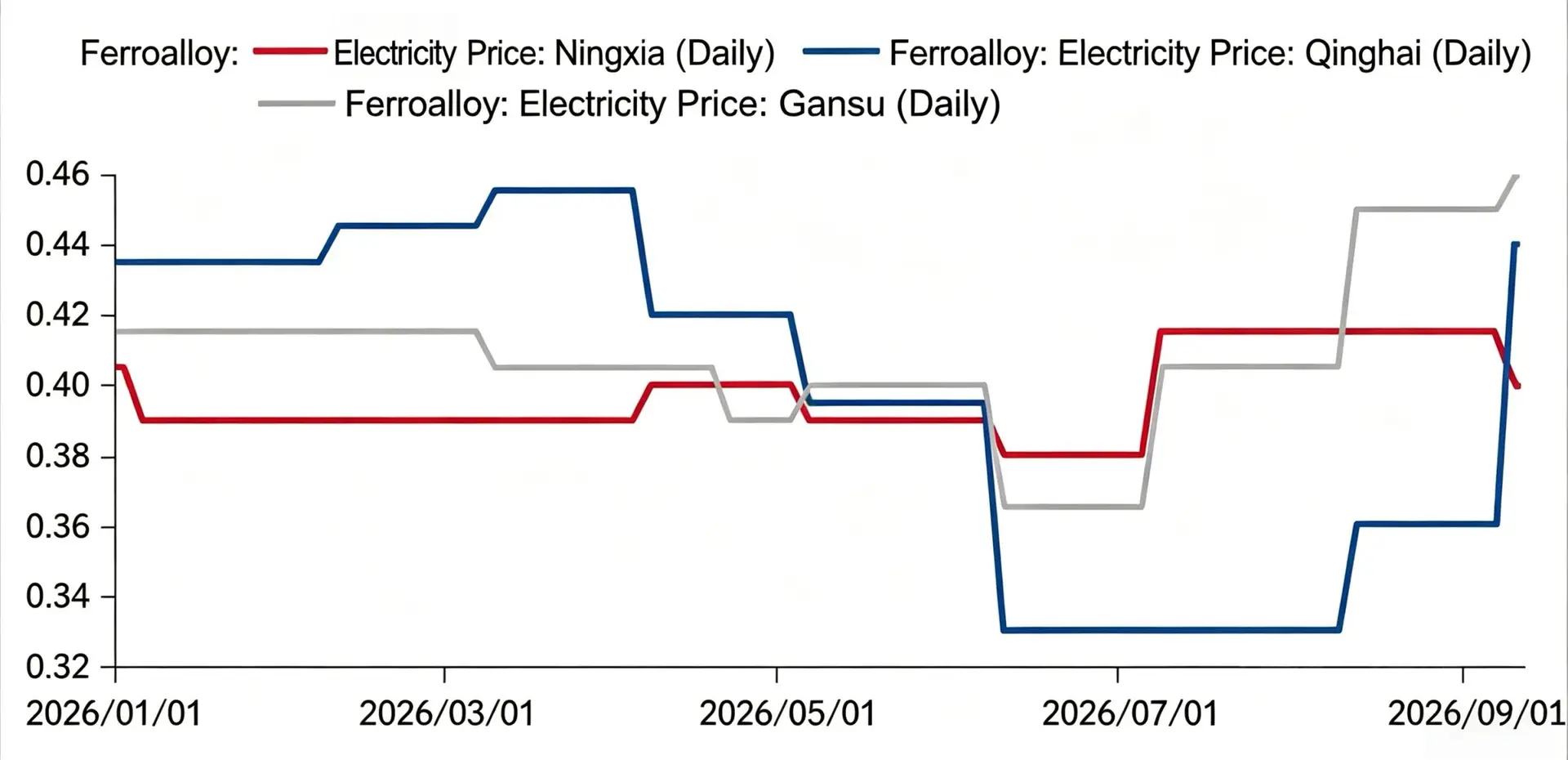
Electricity is another major factor affecting the Ferrosilicon Price Trend. It accounts for approximately 50%–60% of total ferrosilicon production costs, with around 8,000 kWh of electricity required to produce one ton of ferrosilicon.
In August, electricity prices in Ningxia generally ranged from 0.39 to 0.41 yuan/kWh. In Qinghai, sampled ferrosilicon producers paid approximately 0.40–0.48 yuan/kWh, with an average of around 0.44 yuan/kWh.
The increase in electricity prices in Qinghai directly raised electricity costs by more than 900 yuan per ton, further squeezing producer profits when combined with higher semi-coke prices.
Ferrosilicon Production and Supply Pressure
Despite higher production costs and reduced profitability, the supply side has not experienced a significant contraction.
Sampled ferrosilicon producers increased daily output to approximately 16,700 tons, with an operating rate of 33.26%. Production recovery has been concentrated in Ningxia, while some leading producers in Gansu, Shaanxi, and Xinjiang are also contributing to higher future supply.
Raw material inventories vary among producers. Many manufacturers in Ningxia and Qinghai maintain around one month of semi-coke inventory, while others hold shorter or longer inventories depending on cash flow and operating conditions.
This means that the current increase in semi-coke prices has mainly raised immediate production costs. The impact on production may become more significant once existing low-cost inventories are depleted.
Ferrosilicon Market Outlook
The short-term Ferrosilicon Price Trend remains supported by elevated lump coal and semi-coke prices. Some steel mills are also supporting high-priced ferrosilicon transactions, while southern steel mill bidding prices have reached approximately 6,400–6,500 yuan/ton.
However, the futures market has shown signs of deviation from fundamentals. After ferrosilicon futures reached the daily limit of 6,624 yuan/ton on September 4, prices began to move lower. The previous surge was influenced more by market sentiment and capital flows than by a fundamental improvement in supply and demand.
From a fundamental perspective, supply remains relatively sufficient. Ferrosilicon production has exceeded 500,000 tons for two consecutive months, while September supply is expected to exceed 530,000 tons. At the same time, low steel mill profits are limiting downstream support for higher ferrosilicon prices.
The current price increase therefore appears to be driven more by cost support and market sentiment than by a fundamental reversal in supply and demand. Market participants should continue to monitor steel mill purchasing, September demand, raw material prices, and changes in ferrosilicon production.
Ferrosilicon Price Trend: Key Factors to Watch
Several factors will remain important for the next stage of the market:
- Semi-coke and lump coal price movements
- Electricity costs in major production regions
- Ferrosilicon production and operating rates
- Steel mill purchasing and bidding prices
- Downstream steel demand
- Existing low-cost raw material inventories
- Futures market sentiment and capital flows
Overall, short-term cost support remains in place, but the relatively loose supply-demand balance suggests that further price increases may face resistance if market sentiment weakens.
Conclusion
The Ferrosilicon Price Trend is currently being influenced by a combination of rising raw material costs, electricity prices, production recovery, and market sentiment.
While higher semi-coke and electricity costs provide support, increasing ferrosilicon supply and limited steel mill demand remain important constraints. The market outlook will depend on whether stronger downstream demand can confirm the current price levels or whether prices gradually adjust as sentiment fades.
Material source: My Steel.