China Steel Market Update: Key Prices & Export Trends
Date: November 10, 2026
Source: Mysteel
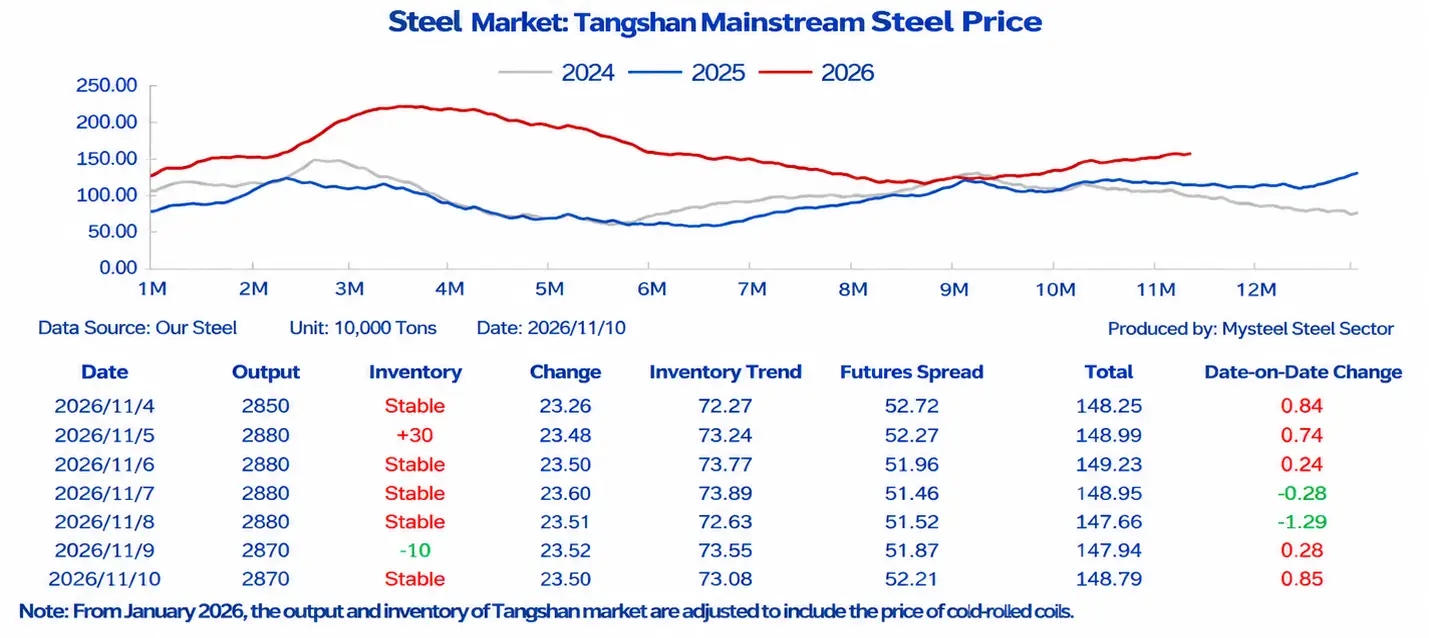
China’s steel market showed a futures rebound on November 10, 2026, while spot prices remained hesitant to follow. Overall market conditions continued to reflect weak, narrow-range fluctuations. Although production costs provided some downside support, seasonal demand weakness, elevated inventories and sustained steel output limited the potential for a significant price recovery.
For international steel buyers and importers, understanding these market movements is essential for planning procurement, evaluating quotations and managing price risks. This market update reviews major steel and aluminium prices, key market drivers, the outlook for mid-to-late November, and practical sourcing recommendations.
1. China Steel Spot Prices on November 10, 2026
According to Mysteel’s national average price data, including VAT, major steel products recorded the following prices:
| Steel Product | Price (CNY/MT) | Market Movement |
|---|---|---|
| HRB400E Rebar | 3,308.34 | +10.42 |
| Q235B Hot Rolled Coil (HRC) | 3,211.16 | +25.65 |
| Medium Plate | 3,369.59 | Flat / Soft |
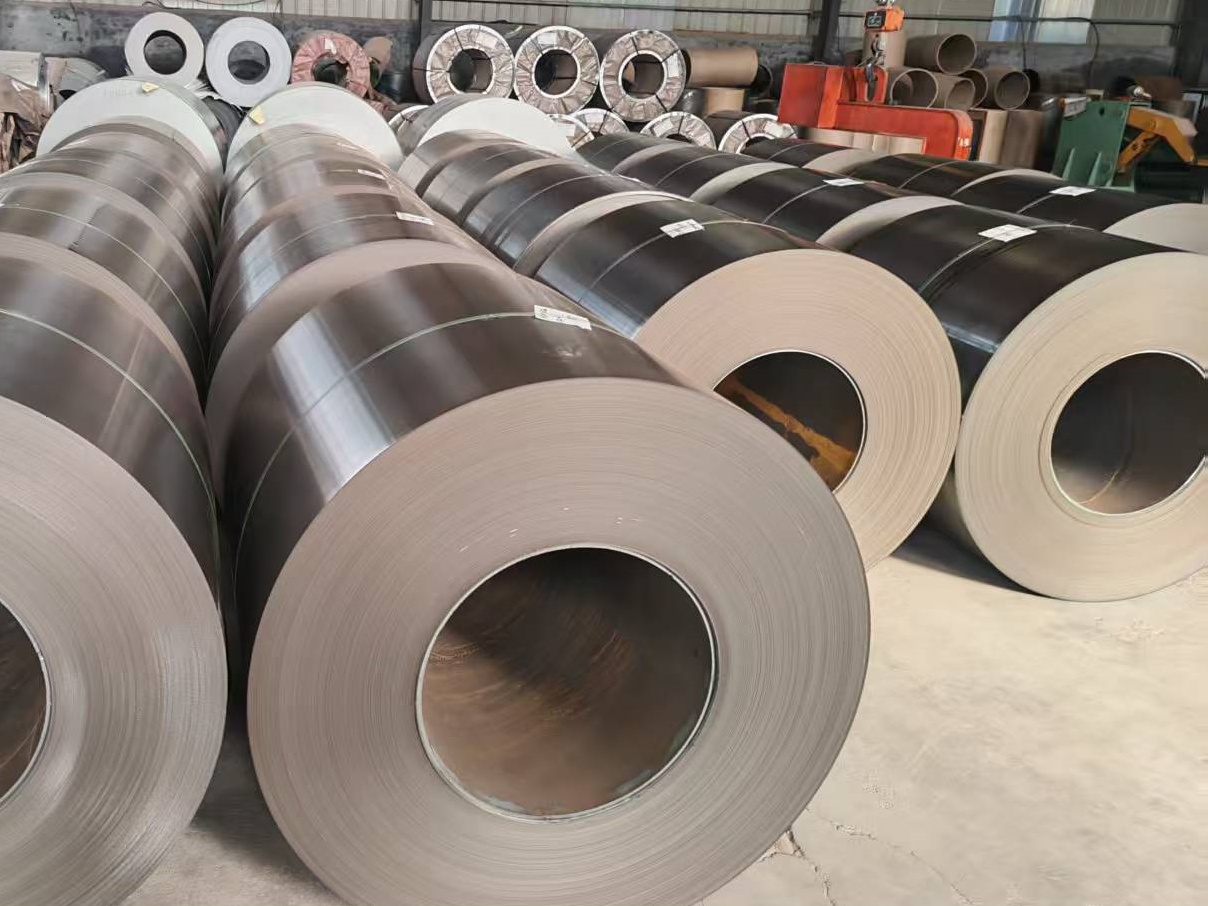
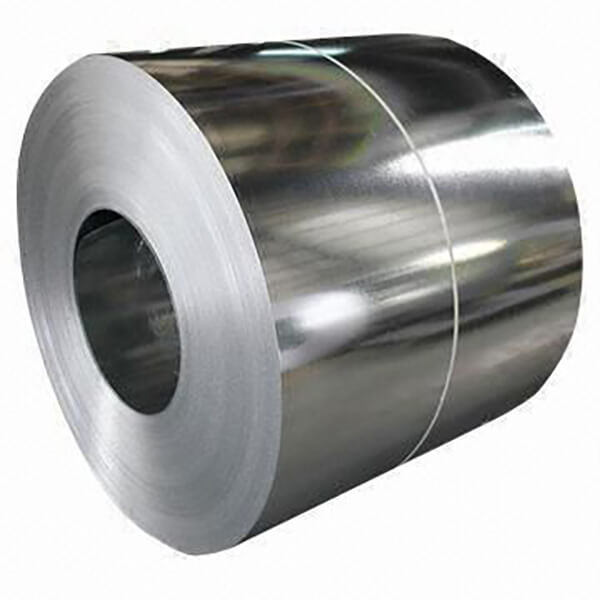
| Cold Rolled Coil (CRC) | 3,700 | Flat |
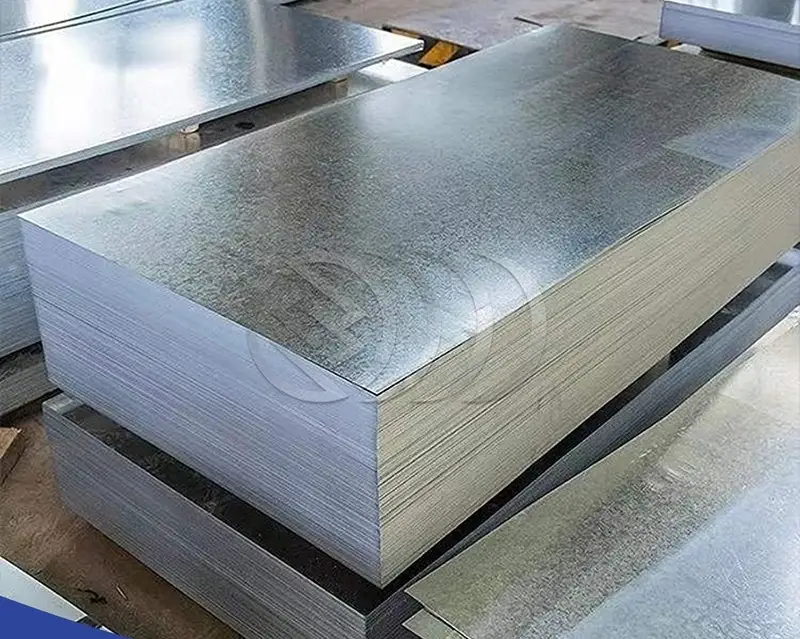
| Galvanized Steel Coil | 4,047.50 | Downward pressure |
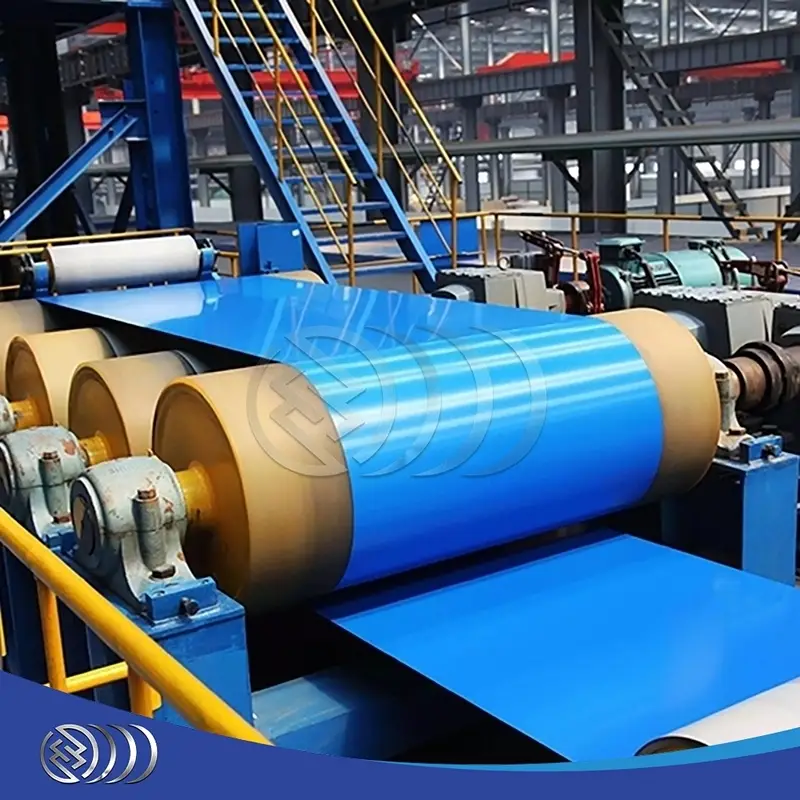
| PPGI / PPGL | 6,500 | Stable |
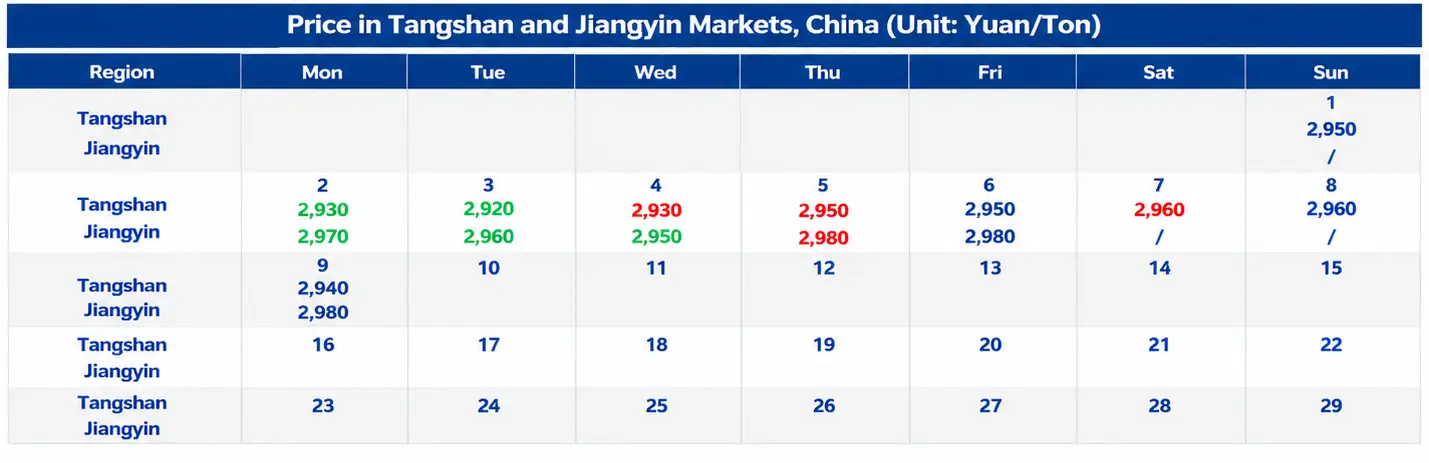
| Tangshan Steel Billet | 2,960 | Slightly down |
In the futures market, the RB2701 rebar contract traded around CNY 3,038, while the HC2701 hot rolled coil contract was near CNY 3,186. The 2701 iron ore contract traded around CNY 687.5.
These figures indicate that the futures market showed some recovery, but the spot market remained cautious. Buyers should therefore assess actual supplier quotations and order conditions rather than relying solely on futures movements.
2. Key Factors Influencing China’s Steel Market
Factors Supporting Steel Prices
Several factors provided support to the domestic steel market:
- Production cost support: Many steel mills continued to face operating losses, creating a degree of cost-based support for steel prices.
- Limited production restrictions: Air-pollution control measures affecting sintering units had only a minor impact on overall supply.
- Winter stockpiling expectations: Market participants continued to monitor potential winter inventory replenishment and policy stimulus.
- Improved export sentiment: News regarding tariff suspensions contributed to a marginal improvement in export market sentiment.
Factors Limiting Price Recovery
However, several challenges continued to restrict upward price movements:
- Seasonal demand slowdown: Construction demand in northern China entered its seasonal slowdown.
- High steel output and inventory: Steel production continued to increase, while total inventories remained at a high level compared with the past four years.
- Iron ore supply pressure: Port inventories of iron ore remained historically high, limiting the ability of raw material costs to drive a sustained steel price rally.
- Cautious downstream purchasing: Many downstream buyers continued to purchase according to immediate demand, with limited active bulk restocking.
As a result, the market remained caught between production cost support and weak downstream demand.
3. China Steel Market Outlook for Mid-to-Late November
Based on current market conditions, China’s steel market is expected to maintain weak, range-bound fluctuations in mid-to-late November.
Rebar and Hot Rolled Coil
Rebar and hot rolled coil prices are expected to fluctuate within relatively narrow ranges. The reference forecast ranges are:
- Rebar (RB): CNY 3,000–3,100/MT
- Hot Rolled Coil (HRC): CNY 3,150–3,250/MT
Coated Steel Products: PPGI and PPGL
Processing margins for prepainted galvanized steel (PPGI) and prepainted galvalume steel (PPGL) are expected to remain under pressure. Their price movements will continue to be influenced by fluctuations in base material costs.
Section Steel: UPN and IPE
Section steel products, including UPN and IPE channels and I-beams, are expected to remain relatively stable, with lower price fluctuations than some other steel categories.
Aluminium Sheets: 1060 and 1100
The aluminium market is relatively independent of steel market movements and is mainly influenced by electrolytic aluminium prices.
Buyers should pay particular attention to the differences between aluminium grades:
- 1060 Aluminium Sheet: Aluminium content of at least 99.60%.
- 1100 Aluminium Sheet: Aluminium content of at least 99.00%, with copper content of 0.05–0.20%.
These two grades are not interchangeable. Export buyers should confirm the required grade and specifications before placing orders. The source report specifies compliance with ASTM B209 and GB/T 3190 and advises against accepting non-standard market-grade materials for export orders.
4. Export Sourcing and Quotation Advice for International Buyers
In a market characterized by narrow fluctuations and uncertain demand, a clear quotation and procurement strategy can help international buyers manage purchasing risks.
1. Confirm Quotation Validity
For flat steel products and coated steel coils, a typical quotation validity period is seven days. For section steel, the usual validity period is 15 days. These periods help account for potential raw material price fluctuations.
2. Check the Price Reference
Steel quotations may be linked to the Mysteel index on the quotation date. The final price remains subject to confirmation by the steel mill when a formal order is placed. Buyers should clarify the pricing basis before confirming an order.
3. Verify Material Standards and Inspection Requirements
Export documents and Mill Test Certificates (MTC) should comply with the standards specified in the sales contract, such as ASTM or GB. Third-party SGS inspection can also be accepted.
International buyers should confirm product grades, dimensions, tolerances, coating requirements and inspection arrangements before production and shipment.
4. Prioritize Order-Based Procurement
Given the current market conditions, order-based price locking is a more suitable approach than speculative stockpiling. Buyers can evaluate their actual demand, confirm specifications and negotiate quotations based on their procurement schedules.
5. Request a Steel Export Quotation
China’s steel market is expected to remain relatively weak and range-bound in mid-to-late November 2026. For overseas importers, monitoring spot prices, comparing supplier quotations and confirming material specifications are important steps in making informed purchasing decisions.
If you are sourcing hot rolled coil, cold rolled coil, galvanized steel coil, PPGI, PPGL or other steel products from China, contact our export team for product details and a quotation.
Send us your product specifications, required quantity and destination port to discuss your steel sourcing requirements and receive an export quotation.
Source: Mysteel. Market prices and forecasts are based on the November 10, 2026 market update. Forecasts are indicative and subject to market changes.