Skip to content

China Steel and Aluminium Market Update: Key Price Shifts
Date: November 24, 2026
China’s commodity futures markets have followed two different directions in November 2026. Ferrous metals have gradually recovered from recent lows, while non-ferrous metals, particularly aluminium, have retreated from their highs.
As of the November 24 market close, the most-traded hot-rolled coil (HRC) futures contract settled at CNY 3,130/tonne, up 0.64% on the day. The most-traded Shanghai Futures Exchange (SHFE) aluminium contract closed at CNY 21,390/tonne, down 1.00%.
For international steel and aluminium buyers, these movements highlight the importance of monitoring futures prices, inventory levels, production costs and overseas supply-demand conditions. GX New Materials reviews the latest market developments and their implications for global procurement.
1. China Steel and Aluminium Market Update: Recent Price Movements
Over the period from October 22 to November 24, hot-rolled coil and aluminium futures showed different degrees of price adjustment.
The HRC contract declined from CNY 3,218/tonne to CNY 3,130/tonne, a decrease of approximately 2.7%. During this period, prices fluctuated within a range of CNY 3,109–3,218/tonne.
SHFE aluminium fell from CNY 23,175/tonne to CNY 21,390/tonne, down approximately 7.7%. After reaching CNY 23,395/tonne on October 30, aluminium experienced further corrections in November.
On the upstream side, raw material prices declined less sharply:
- Iron ore futures closed at CNY 658.5/tonne, down 1.6% over the month.
- Alumina futures closed at CNY 2,553/tonne, down 0.5%.
The relatively smaller declines in raw material prices have placed pressure on the processing margins of steel mills and aluminium smelters.
2. Hot-Rolled Coil Market: Inventory, Demand and Cost Support
The recent weakness in the HRC market is closely connected to subdued demand and slower inventory reduction.
According to SMM data for the third week of November, HRC social inventories reached 2.7459 million tonnes, down 3.10% week on week but still 2.77% higher year on year.
HRC mill inventories increased to 1.1116 million tonnes, up 2.31% week on week and 6.70% year on year. Total HRC inventories declined to 3.8575 million tonnes, down 1.60% week on week but 3.87% higher year on year.
| HRC Inventory Indicator | Inventory (Million Tonnes) | Weekly Change | Year-on-Year Change |
|---|---|---|---|
| Social Inventory | 2.7459 | -3.10% | +2.77% |
| Mill Inventory | 1.1116 | +2.31% | +6.70% |
| Total Inventory | 3.8575 | -1.60% | +3.87% |
The decline in social inventories alongside rising mill inventories suggests that traders are reducing stocks while shipment pressure is increasingly concentrated at steel mills.
Across the five major steel product categories, weekly supply reached 8.0265 million tonnes, down 0.3% week on week. Apparent consumption stood at 8.2618 million tonnes, down 0.4%. Total inventories decreased by 235,300 tonnes, or 1.7%, to 13.5629 million tonnes.
Production Costs and HRC Price Outlook
Cost support for HRC has weakened. On November 18, the tax-inclusive ex-works billet price in Qian’an, Tangshan, fell to CNY 2,810/tonne, a new low for the year. The market also expected another round of coke price reductions of CNY 50–55/tonne.
HRC futures tested CNY 3,109/tonne on November 17 before recovering gradually to CNY 3,130/tonne on November 24.
According to the institutional analysis cited in the source report, CNY 3,050/tonne is an important support level for HRC. However, seasonal demand weakness is likely to limit the potential for a sustained recovery.
3. Aluminium Market: Price Correction and Global Supply Outlook
Unlike HRC, aluminium’s recent decline has been influenced more heavily by macroeconomic conditions and overseas supply expectations.
In November, stronger-than-expected US inflation and a more hawkish Federal Reserve outlook supported the US dollar and placed pressure on dollar-denominated metals.
SHFE aluminium declined from CNY 23,395/tonne on October 30 to CNY 21,390/tonne on November 24. Over the same period, LME aluminium fell from USD 3,062.5/tonne at the end of October to approximately USD 2,860/tonne in November, with prices reaching USD 2,820/tonne during Asian trading on November 24.
Low Inventories Provide Price Support
Despite the price correction, aluminium inventory levels remained relatively low.
As of November 19:
- Domestic aluminium ingot inventories stood at 396,000 tonnes, down 9.0% week on week.
- LME aluminium inventories were approximately 224,000 tonnes, unchanged from the previous week.
Low inventories and spot premiums provided support around CNY 21,000/tonne for SHFE aluminium.
The near-term reference ranges cited in the source report were:
- SHFE aluminium: CNY 21,000–22,000/tonne.
- LME aluminium: USD 2,750–2,920/tonne.
Overseas Aluminium Supply and 2027 Outlook
Overseas production capacity is expected to become an important factor in the medium-term aluminium market.
According to CSCI research cited in the report, overseas electrolytic aluminium output is expected to increase by 3.45 million tonnes in 2027, compared with an increase of approximately 250,000 tonnes in China.
The research projects that the global aluminium market could move from a deficit of 980,000 tonnes in 2026 to a surplus of 740,000 tonnes in 2027.
Meanwhile, previously affected capacity in the Middle East is gradually returning, and new aluminium capacity in Indonesia is increasing production.
For aluminium exporters, these developments suggest a potentially more competitive pricing environment in 2027, although macroeconomic conditions and exchange-rate movements may continue to influence short-term prices.
4. Steel and Aluminium Price Divergence: Export Implications
The comparison between ferrous and non-ferrous metals highlights the different factors influencing their prices.
From October 22 to November 24:
- HRC futures declined by approximately 2.7%.
- SHFE aluminium declined by approximately 7.7%.
- Iron ore futures declined by approximately 1.6%.
- Alumina futures declined by approximately 0.5%.
The aluminium market showed greater price volatility than the steel market during this period.
The price relationship between domestic and overseas aluminium markets also matters for exporters. On November 24, the SHFE/LME ratio stood at 7.59. Using the USD/CNY exchange rate of 6.6615, LME aluminium at USD 2,820/tonne was equivalent to approximately CNY 18,785/tonne before VAT and tariffs.
This left SHFE aluminium at a premium of approximately CNY 2,600/tonne, creating pressure on import economics and export margins.
For exporters, quotations need to account for SHFE prices, LME prices and foreign exchange movements rather than relying on a single market reference.
5. Procurement and Delivery Advice for International Buyers
The latest steel and aluminium market movements offer several practical considerations for overseas buyers.
1. Monitor HRC Prices and Keep Quotations Market-Linked
HRC is facing a combination of relatively low inventories, weak demand and declining cost support. The CNY 3,050/tonne level identified in the source report is worth monitoring, while off-season demand may limit further price increases.
Buyers and exporters should review market conditions regularly and avoid unnecessarily long quotation validity periods.
2. Manage Aluminium Price Volatility
Aluminium has shown greater volatility than steel, driven by macroeconomic factors and overseas supply expectations. For larger orders and staggered shipments, buyers may consider discussing staged pricing arrangements with suppliers.
3. Pay Attention to Export Compliance
Overseas capacity expansion and trade investigations are increasing the importance of product certification and compliance. India’s anti-dumping investigation into aluminium extruded profiles originating in or exported from China, Malaysia, Thailand and Vietnam is one example.
Exporters and importers should verify applicable trade measures, product classifications and certification requirements before shipment.
4. Prioritize Reliable Delivery and Product Specifications
Price is not the only factor in international metal procurement. Product consistency, customized specifications, quality control and predictable lead times are also important when selecting suppliers.
6. GX New Materials: Supporting Global Steel and Aluminium Procurement
GX New Materials continues to monitor daily market information from SHFE, LME and SMM, together with order demand and inventory conditions, to support market-based quotations and delivery planning.
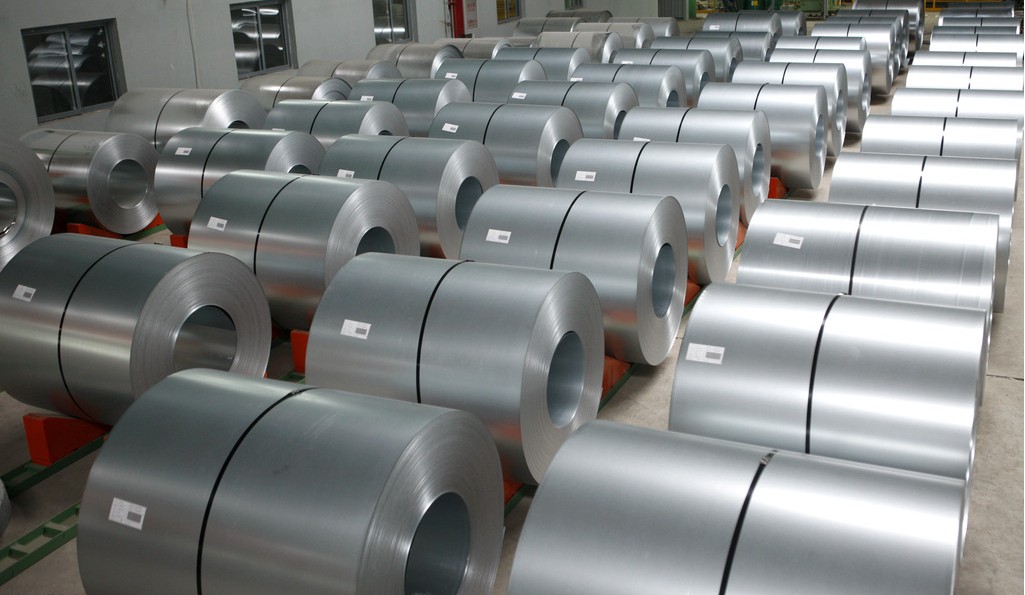
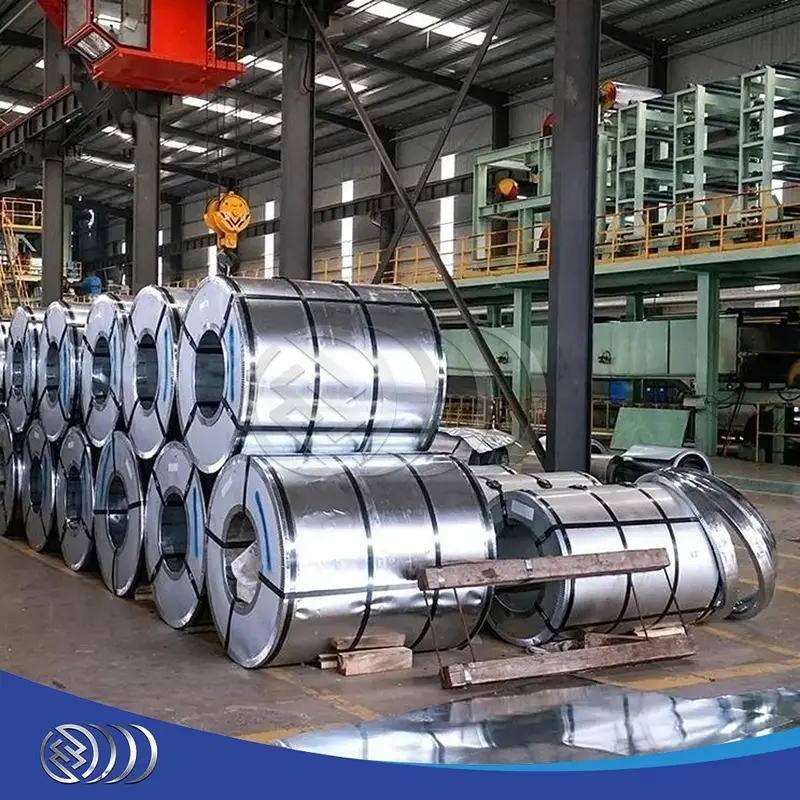
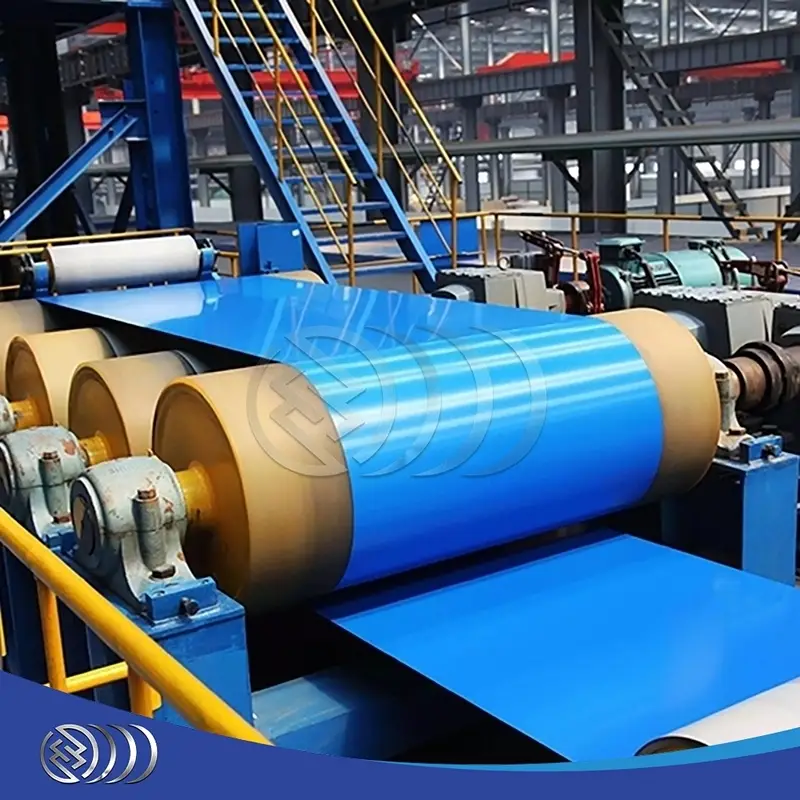
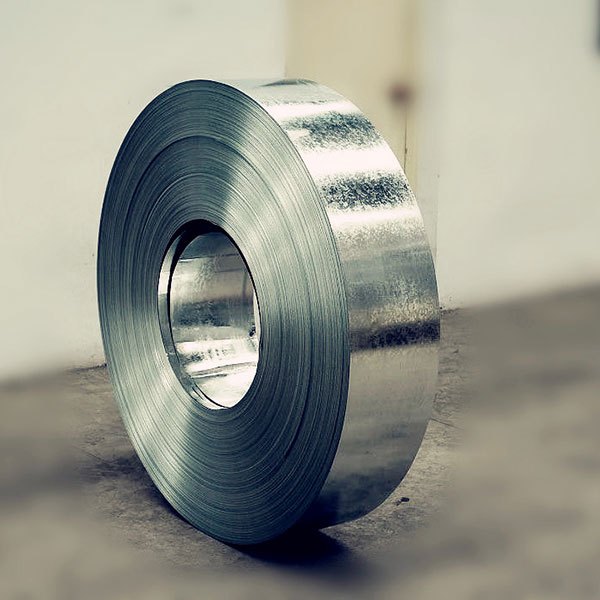
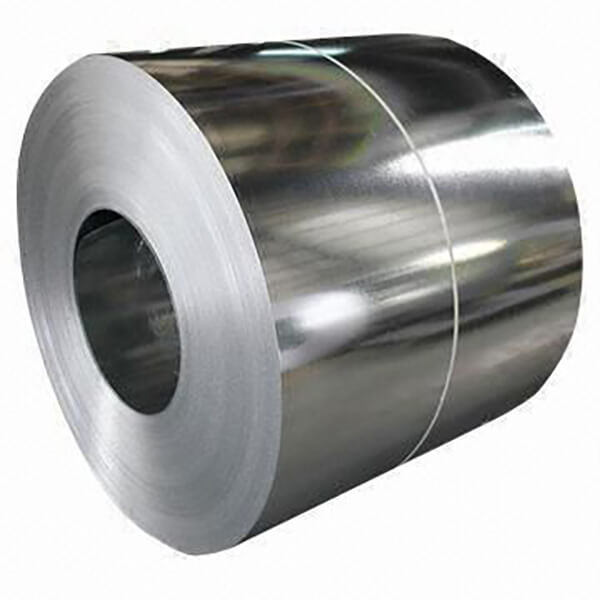
Qingdao GX New Materials Co., Ltd. exports cold-rolled, galvanized, pre-painted and aluminium coil products to customers in construction, home appliance and industrial manufacturing sectors across the Middle East, Southeast Asia, Africa and South America.
With a focus on consistent quality control and dependable delivery, the company provides global customers with practical metal procurement solutions.
If you are sourcing hot-rolled, cold-rolled, galvanized, pre-painted or aluminium coil products from China, contact our export team to discuss your specifications, order quantities and delivery requirements.
Send us your product details and destination port to request an export quotation.
Sources: Shanghai Futures Exchange; Dalian Commodity Exchange; iFinD; SMM; CSCI Futures Research; SCI99; Minmetals Futures; Wind; Sina Finance. Market data as of November 24, 2026. This article is for market information only and does not constitute investment advice.